
Travel eSIM Review: Coverage, Plans, and How It Works
Imagine landing in a new country, turning on your phone, and instantly having reliable data without hunting for a local SIM card—that’s the ease of ravel eSIM. It’s a digital SIM built into your device that lets you download a data plan directly from the ravel app, so you’re connected the moment you arrive. You simply pick a plan before you fly, scan a QR code or tap to activate, and travel with seamless connectivity while keeping your original number for calls and texts. No physical cards, no store visits—just flexible, prepaid data that you can top up or change right from your phone wherever your journey takes you.
What Exactly Is This Travel Data Solution and How Does It Work?
The travel data solution from ravel eSIM is a digital SIM card that eliminates physical SIM swapping. It works by having you scan a QR code to install a carrier profile directly onto your compatible smartphone. Once installed, the eSIM connects to local networks in your destination country automatically, giving you instant access to mobile data upon landing. You purchase a data package before your trip, and the solution activates by connecting to a supported local tower, ensuring you are online without hunting for Wi-Fi or buying local SIMs. This approach provides a **direct and seamless data connection**, making it the most efficient way to stay online abroad. The entire process is managed through the ravel app, where you top up or adjust plans as needed, keeping your original physical SIM active for calls and texts.
Breaking Down the Core Technology Behind the Service
The core technology behind ravel eSIM relies on embedded SIM hardware and remote provisioning standards, specifically the GSMA’s eSIM specification. Instead of a physical card, a secure element inside your device stores multiple operator profiles. When you purchase a data plan, ravel delivers an encrypted profile over the internet, which your device installs and activates. This switching between profiles happens through the device’s native eSIM manager, allowing instant connection to local carrier networks without swapping chips. The system uses dynamic signal scanning to select the strongest available network, and all data routing is optimized for low latency. Thus, the entire process is software-driven, removing physical logistics entirely. The core technology behind the service is therefore a combination of secure remote provisioning and carrier aggregation logic.
- Remote profile delivery via QR code or app-based installation.
- Secure element storage for multiple carrier profiles simultaneously.
- Automatic network selection based on real-time signal strength.
- Over-the-air profile updates without user intervention.
Which Devices Are Compatible with This Digital SIM Option?
Travel eSIM compatibility depends on the device’s eSIM hardware and carrier lock status. Most iPhone models from XS/XR onward, Google Pixel from 3 onward, and recent Samsung Galaxy S, Note, and Z series support it. iPads with cellular (Pro, Air, mini) and select Apple Watch models also work. Windows laptops and Android tablets with eSIM chips are compatible, but older phones lacking eSIM hardware are not. Additionally, the device must be carrier-unlocked or have a network that permits eSIM activation. Verify via the manufacturer’s IMEI check or the “Add Cellular Plan” menu in settings. A physical SIM slot does not guarantee eSIM support.
How Do You Get Started with Purchasing and Activating Your Plan?
You begin by opening the ravel eSIM app or website, where you pick your destination and data allowance—choose a regional plan if you’re hopping between countries. After paying with a card or digital wallet, a QR code appears instantly on your screen; scan it with your phone’s camera to install the eSIM profile, but don’t switch it on yet. Land at your airport, then toggle the new line on in your settings—ensure data roaming is enabled for that specific profile, not your home SIM. Your plan activates the moment it connects to a local network, which usually happens within a minute of touchdown. If it doesn’t connect, manually select a network under carrier options rather than restarting your device. That’s it—you’re online before you reach baggage claim.
Step-by-Step Guide to Buying Your First Data Package
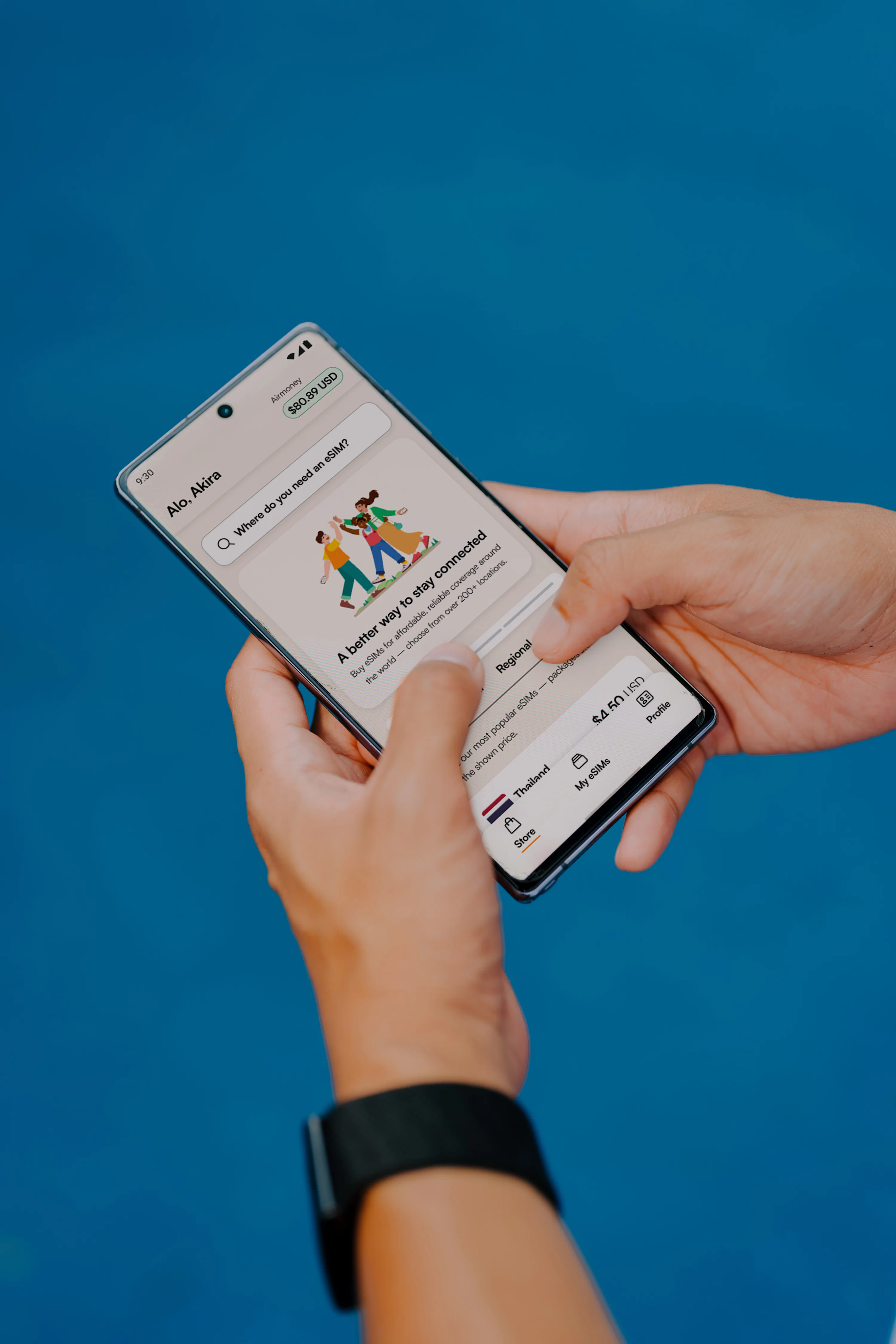
To purchase your first data package with ravel eSIM, open the app and tap “Shop Data.” Choose your destination country or region, then filter options by data volume, validity, and network speed. Select a plan that matches your trip length—for example, a 5GB/30-day package for short stays. Review the price and coverage details, then hit “Buy.” After completing payment, the eSIM profile installs automatically if your device supports it; otherwise, scan the provided QR code from your confirmation screen. Finally, activate the plan by toggling “Enable Plan” in your settings, ensuring your ravel eSIM data package activates before departure to avoid roaming issues. No physical SIM swap is required.
Scanning, Installing, and Going Live in Under Five Minutes
The fastest path to connectivity with ravel eSIM begins the moment your purchase completes, as the QR code appears instantly on screen. Open your phone’s camera, point it at the code, and tap the prompt to add the cellular plan—no app download or physical SIM tray required. Within seconds, the profile installs, but you’re not live until you activate it in your settings. Toggle the new line on, ensure data roaming is enabled, and your device latches onto the local network automatically. From scanning to signal, going live in under five minutes is entirely realistic, provided you follow the on-screen confirmation steps. That’s it—instant activation transforms your arrival into immediate browsing, mapping, and messaging without a single store visit.
What Coverage and Data Options Can You Expect While Abroad?
With ravel eSIM, you can expect instant 4G/5G coverage across 150+ destinations, activated the moment you land—no physical SIM swaps or hunting for local carriers. Your data options are flexible: choose from regional plans (e.g., Europe-wide) or country-specific bundles, with transparent pricing per gigabyte and no surprise roaming fees. You can top up or adjust your plan mid-trip directly from the app, and hotspot tethering is supported on most packages. Q: What happens if I run out of data in a country not on my original plan? A: You can purchase a new local or regional data pack in under a minute, and ravel switches your profile automatically without interrupting connectivity. This ensures seamless, predictable data access wherever your itinerary takes you.
Understanding Regional vs. Global Data Bundles
Understanding regional vs. global data bundles with ravel eSIM hinges on your travel path. A regional bundle, such as Europe or Asia-Pacific, covers a defined cluster of countries, offering a lower per-gigabyte cost if you stay within that zone. A global bundle provides connectivity across dozens of countries, ideal for multi-continent trips, but at a higher price point. To choose correctly, follow this sequence: first, list every country on your itinerary; second, verify each country falls within a proposed regional map on the ravel app; third, if any destination sits outside, switch to a global plan to avoid unexpected top-ups. Regional plans often exclude transit nations, so confirm your layover airports too. Only select global when your route crosses more than two distinct coverage regions.
Speed Limits, Fair Usage Policies, and What Happens When You Run Out
When using ravel eSIM abroad, fair usage policies typically cap daily or weekly high-speed data thresholds, after which your connection drops to a reduced speed—usually 128 kbps or 256 kbps—sufficient for messaging and light web browsing but not for video streaming. These speed limits are clearly stated in your plan details, and throttling is automatic, not a penalty. If you exhaust your entire data allowance, ravel eSIM does not cut connectivity; instead, you can purchase a top-up pack directly in the app, which activates instantly. Alternatively, you can wait for a reset if you have a recurring plan. Monitoring your remaining high-speed data is essential, as the speed limit applies per billing cycle. Running out without a top-up leaves you on the throttled connection indefinitely, so check your usage dashboard before hitting the cap.
Fair usage policies enforce speed limits after a data threshold, but ravel eSIM allows instant top-ups; otherwise, you remain on a reduced speed until your cycle resets.
How Does This Service Save You Money Compared to Roaming?
Ravel eSIM eliminates the daily roaming fees your carrier charges—often $10–$15 per day—by replacing them with flat, regional data packs priced per gigabyte. Instead of paying a fixed daily tax whether you use 10 MB or 1 GB, you buy only the data you actually consume, which directly cuts waste. You also avoid surprise “out-of-bundle” rates that kick in the moment you exceed your carrier’s tiny roaming allowance. Because Ravel routes through local partner networks, your per-GB cost drops to a fraction of typical postpaid roaming rates. Yet the real savings hinge on how tightly you match your data purchase to your trip length and usage habits. Additionally, you sidestep hidden activation fees or line rental charges that roamers often face, and you can top up remotely without penalty, ensuring you never overpay for unused days. That control over exactly when and how much you spend is the core financial advantage over traditional roaming.
Real-World Pricing Scenarios for Short Trips and Long Stays
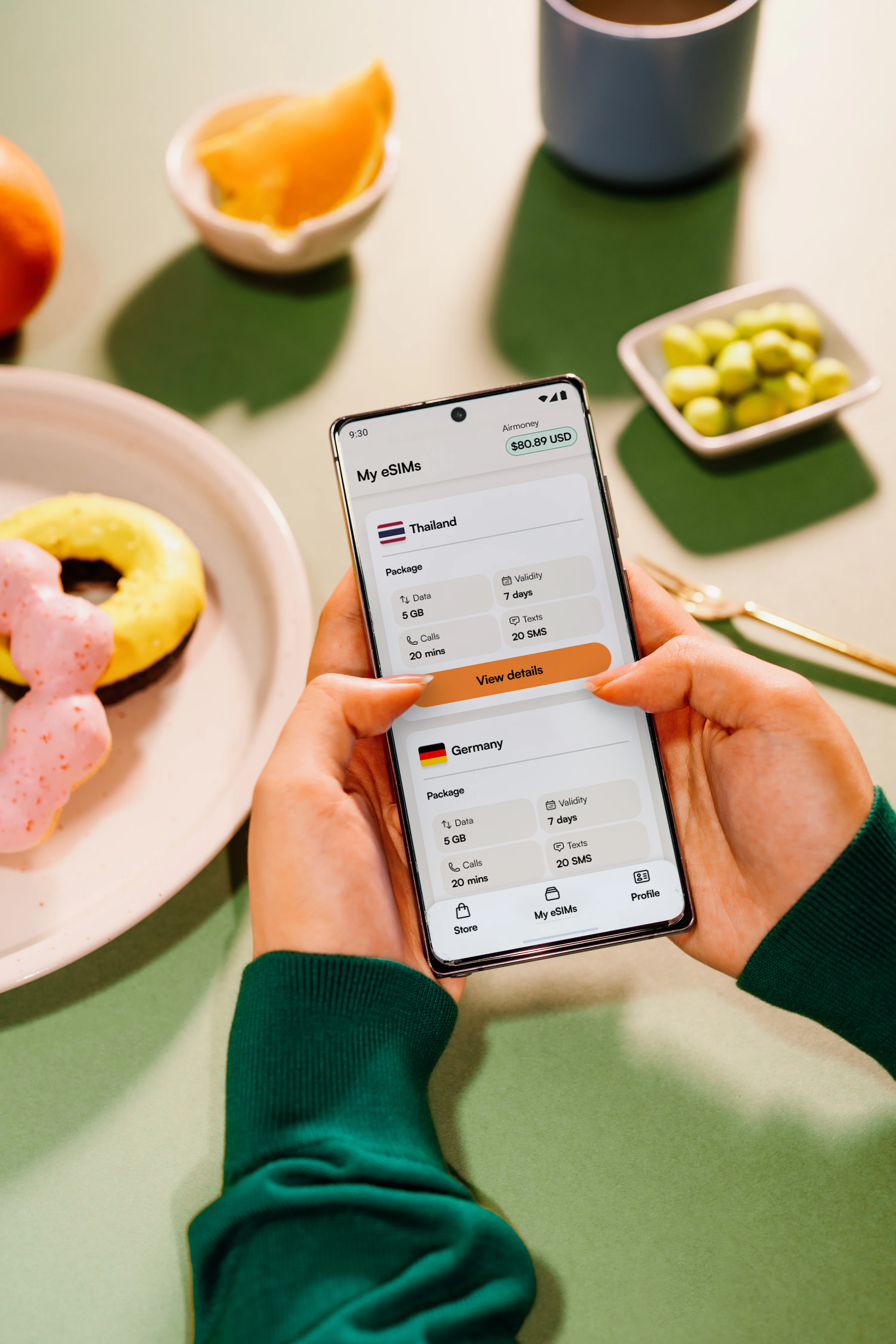
A weekend city break with ravel eSIM might cost you the same as two coffees, while a month-long digital nomad stint across three countries stays surprisingly flat—no daily roaming caps silently inflating your bill. For short trips, the per-gigabyte rate drops below typical carrier day-pass fees once you pass three days, making a 5GB plan the sweet spot for sightseeing maps and social uploads. Long stays, however, reward bulk data packs where the price per GB can halve compared to short-term top-ups, especially if you choose a 30-day validity window over weekly renewals. A two-week beach escape with light navigation might only need 3GB, but a six-week workation with video calls demands 15GB—and real-world pricing scenarios for short trips and long stays show that upfront regional plans consistently beat pay-as-you-go roaming markups by 40–70% per trip, regardless of duration.
Short trips shine with low-cost 5GB packs; long stays win with bulk 15–30GB plans—both undercut roaming, with savings growing as your stay lengthens.
Hidden Fees to Watch For and How to Avoid Them
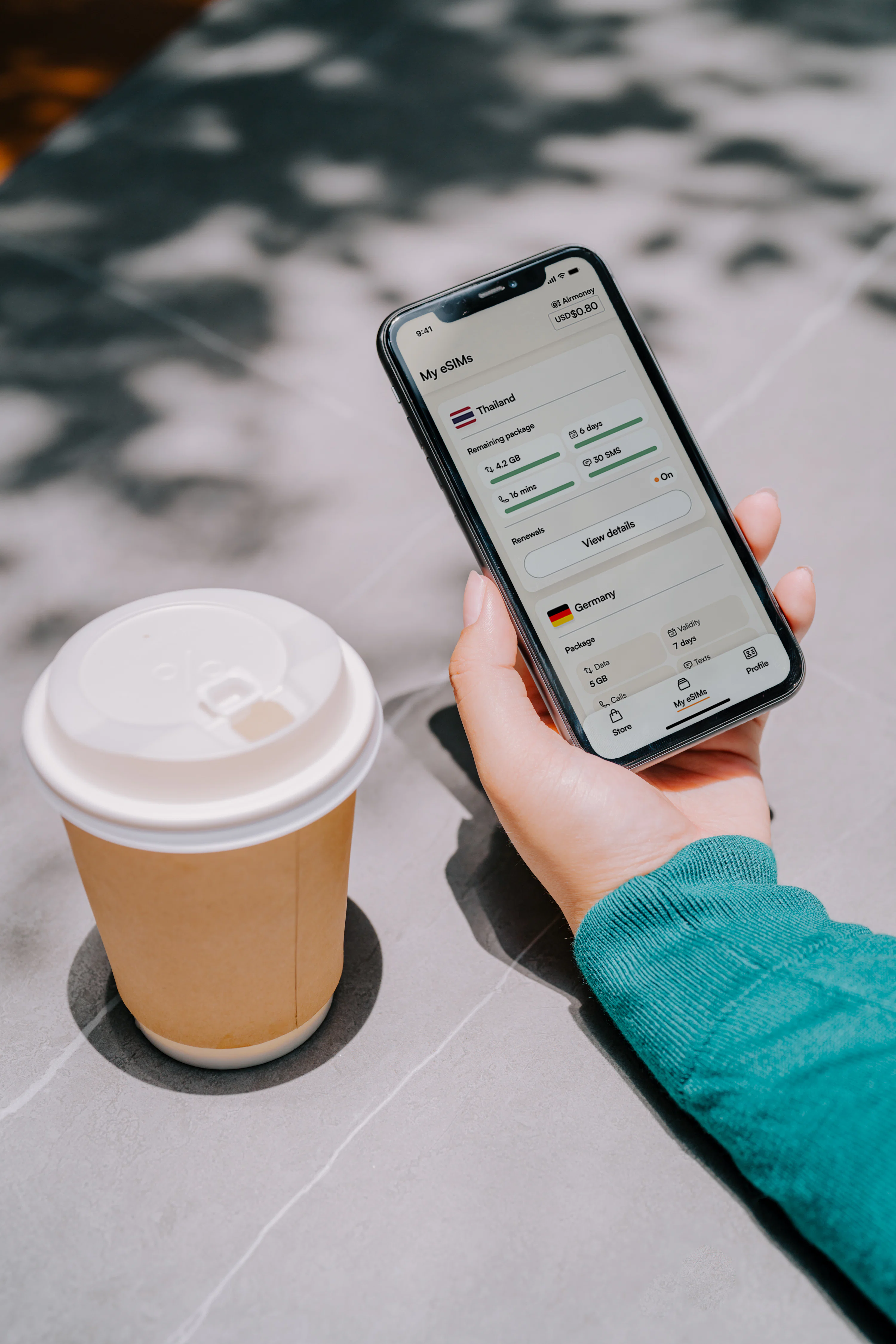
When comparing ravel eSIM to roaming, the real savings hinge on avoiding hidden fees that quietly inflate a travel bill. Watch for activation charges that some providers bury in the checkout flow; ravel eSIM lists the total upfront, with no post-purchase connection fees. Data overage costs are another trap—roaming can bill per megabyte, while ravel’s plans hard-stop at your chosen limit, meaning you cannot accrue surprise top-up charges unless you manually buy a new package. Also, check your home carrier’s fine print for a daily “roaming pass” fee that activates even when you use your ravel SIM; disable automatic network selection on your phone to prevent that charge. Finally, avoid free-tier eSIM apps that hide “maintenance” fees before reactivation—ravel only charges when you purchase a new plan, never for keeping your profile idle.
What Are the Smartest Ways to Use Your Travel Connection?

The smartest way to use your travel connection with a ravel eSIM is to activate it only upon arrival, saving your device’s battery and avoiding accidental roaming charges before takeoff. Leverage the eSIM’s dual-SIM capability by keeping your primary line for calls while routing all data through ravel’s network, ensuring seamless navigation and instant translation without interruptions. Pre-download offline maps and translation packs while on Wi-Fi, then switch to data-only mode for real-time updates, maximizing your connection’s efficiency. Prioritize high-bandwidth activities like video calls or cloud uploads during off-peak local hours—your ravel plan’s speed stays consistent, but your daily usage lasts longer. Finally, set your phone to automatically toggle between ravel’s data and nearby trusted Wi-Fi hotspots, preserving your high-speed allowance for moments when connectivity truly matters, like booking a last-minute ride or sharing your location.
Managing Multiple Lines, Hotspots, and Backup Connections
Juggling multiple lines with your travel eSIM is easier than you think—keep your home SIM active for bank codes while your eSIM handles data, and assign specific apps to each line in your phone’s settings. For **Managing Multiple Lines, Hotspots, and Backup Connections**, turn your phone into a hotspot for a tablet or laptop, but watch the data drain; some eSIMs throttle hotspot speeds, so check your plan first. As a backup, download the eSIM’s offline map and always screenshot your QR code—if the primary network drops, you can reinstall it instantly on another device.
Q: How do I keep a backup connection best esim philippines without carrying two phones?
A: Use a secondary eSIM profile (even a free trial one) set to manual network selection—you’ll switch over in seconds if your main carrier fails, no extra hardware needed.
Troubleshooting Common Connectivity Issues on the Road
When your ravel eSIM drops signal, first toggle airplane mode for thirty seconds to force a re-registration with the local tower. If that fails, manually select your carrier under network settings—automatic selection often clings to a weak provider. For persistent no-data zones, verify that your APN matches the exact profile in the ravel eSIM app, since a single misplaced character blocks connectivity entirely. Always prioritize a hard reboot before touching your eSIM profile, as this clears temporary radio glitches without risking activation. Carrying a secondary offline map app saves you when no tower exists, regardless of your eSIM’s health.
Q: What is the fastest fix for a ravel eSIM that shows signal but no internet?
A: Check that data roaming is literally toggled on—not just enabled in the eSIM menu, but also in your phone’s general cellular settings—then restart the connection. This resolves ninety percent of stalled packets.
Which Plan Should You Choose for Your Specific Itinerary?
Your travel eSIM plan choice hinges entirely on your route’s duration and data appetite. For a 3-day city break with light navigation and messaging, the 1GB daily pack is your leanest, most cost-effective fit. A two-week multi-country tour demands the 30-day regional plan, which lets you hop borders without re-purchasing. If your itinerary is packed with video calls, streaming, and heavy social uploads, prioritize the unlimited high-speed tier—it saves you from throttled panic at the airport. Conversely, a digital detox trip could survive on the 500MB weekly option. Always match the plan’s expiry to your final return date, not your departure, to avoid coverage gaps during layovers. That alignment is the real secret to seamless connectivity.
Matching Data Volume to Your Travel Habits and Needs
Matching data volume to your travel habits means auditing your actual usage, not guessing. A weekend city break with navigation, messaging, and occasional photo uploads comfortably fits a 5GB plan, while a two-week road trip streaming podcasts and using live translation demands at least 10GB. If you rely on hotel Wi-Fi for heavy downloads and only need maps outdoors, a smaller package suffices. Conversely, remote workers or content creators should over-provision by 20% to avoid topping up mid-trip. Align your eSIM data allowance with your daily screen-time patterns, not the trip’s duration alone—a usage-based match prevents both wasted gigabytes and surprise overage fees.
How to Top Up or Extend Coverage Mid-Trip Without Interruptions
If your itinerary shifts, you can avoid downtime by topping up or extending coverage through the Travel eSIM app before your current data bucket expires. Navigate to « My Plans, » select the active eSIM, and choose either a quick data top-up or a date extension; both activate instantly without requiring a new QR code or reinstallation. To prevent interruptions, always top up while you still have a minimal signal—ideally above 20% remaining data—since the new package stacks seamlessly onto your existing balance. Do not wait for a full depletion, as a zero-balance state may trigger a temporary disconnection.
- Use the app’s « Auto-Top-Up » toggle to trigger a preset recharge only when your balance falls below 10%.
- Extend the plan expiry by 1, 5, or 15 days from the dashboard; the new end date overrides the old one without service gaps.
- Verify the new package reflects in your « Active Data » counter within 60 seconds of purchase.